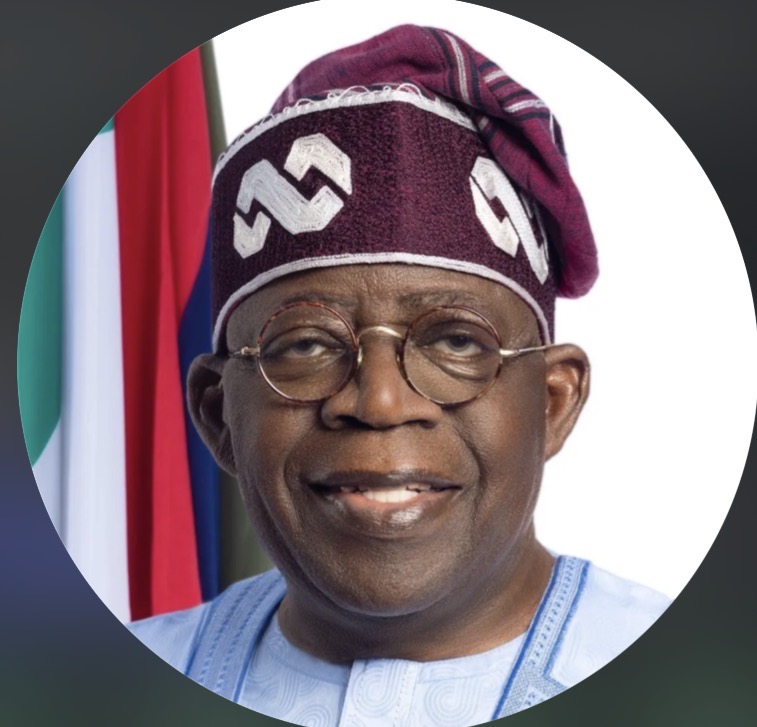
Speaking as both President and, in his own framing, a fellow citizen, Tinubu opened by acknowledging the sacrifices Nigerian families have made before pivoting to justify every policy that caused them.
The Case for Hard Choices:
The heart of the address was an unapologetic defense of his two most controversial moves: removing the petrol subsidy and unifying the foreign exchange market. He laid out the arithmetic of inaction — at its peak, the subsidy regime was consuming ₦18.4 billion every single day, over ₦4 trillion in 2022 alone. Multiple exchange rate windows, he said, allowed well-connected players to drain an estimated ₦8 trillion from the economy over three years.
“We chose reform over ruin and decisiveness over hesitation,” he declared. “Your sacrifice has not been in vain. Nigeria has stabilised and is moving forward again.”
What the Numbers Say:
To back his case, Tinubu pointed to a set of macro-economic figures his administration says reflect a genuine turning tide. The Nigerian All-Share Index has climbed from 53,000 points in 2023 to a record 250,000, with market capitalisation surging from ₦30 trillion to ₦160 trillion. Over 2,700 kilometres of roads are under active construction, the $5 billion NLNG Train 7 energy project is nearing completion, and the Nigerian Education Loan Fund has now disbursed over ₦282 billion to more than 1.5 million students.
On telecoms, the President said confidence is returning to a sector that had been under severe pressure, with operators now expanding networks and widening digital access nationwide.
The Gap That Remains:
What the speech could not fully bridge was the distance between macro-economic data and daily Nigerian life. Food prices remain high. Youth unemployment continues to cast a long shadow. Tinubu pledged to keep working on reducing the cost of food and transportation but offered no concrete timeline for when improved indices translate into tangible relief for ordinary households.
On security, the administration claims over 13,500 insurgents and bandits neutralised and improved coordination between military and intelligence agencies — yet the President himself acknowledged there is no room for celebration until full normalcy is restored.
The Bottom Line:
Three years in, Tinubu’s presidency is a study in contrast. The macro numbers tell one story. The reality on the streets tells another. His anniversary address was essentially a wager on history — that the painful reforms of 2023 will eventually be remembered as the turning point. Whether that holds will depend far less on speeches, and far more on whether this final year actually closes the gap.
Ene Mary McDickson
Discussion0
No comments yet
Be the first to share your thoughts on this story.