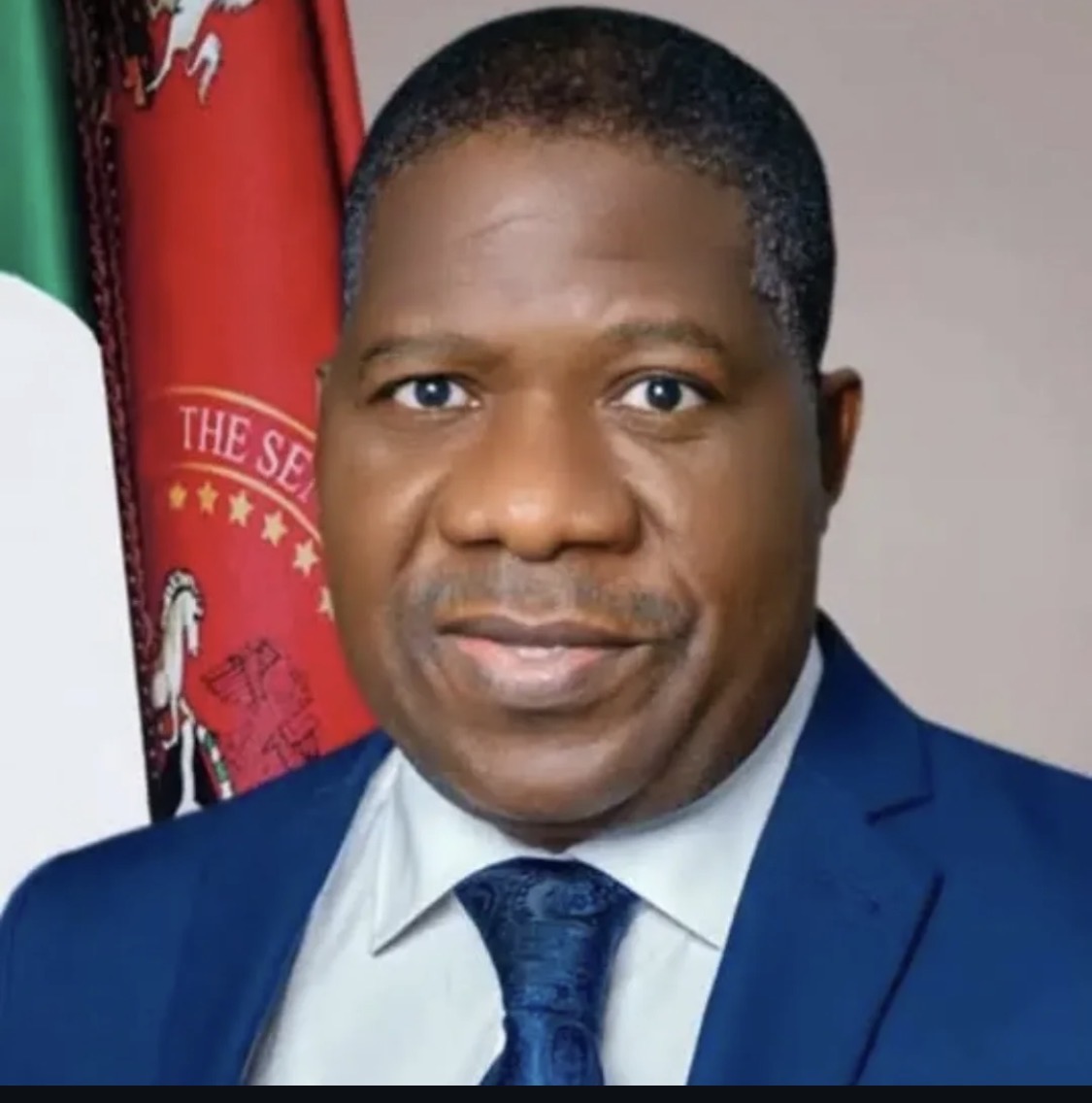
Senate Leader Opeyemi Bamidele has announced plans to sponsor a constitutional amendment bill replacing Nigeria’s two-term executive system with a single, non-renewable six-year tenure for the President and state governors — a proposal that has sparked immediate debate about democratic accountability.
Bamidele made the disclosure while speaking with journalists at his office in Abuja on Tuesday, during activities marking the third anniversary of the 10th Senate. He said the legislation would be among the first bills he intends to introduce when the next Senate is inaugurated, arguing that a single tenure would allow elected leaders to focus fully on governance rather than re-election campaigns.
He argued that under the current arrangement, many officeholders begin thinking about their second-term ambitions shortly after assuming office, a development he believes undermines policy implementation and long-term planning. “The essence of law, the essence of parliament, is that laws are like human beings; they grow,” he said.
The proposal has not been without pushback. Critics have raised fears that extending the tenure from four to six years amounts to incumbency elongation under a reform guise. Others argue that the current two-term framework gives voters a direct tool to reward or punish performance at the ballot — leverage a non-renewable tenure would remove entirely.
Sections 137 and 180 of the 1999 Constitution, which establish four-year renewable terms for the President and governors respectively, would need to be altered for the bill to take effect. Any such amendment would require approval by the National Assembly and at least two-thirds of state Houses of Assembly.
Similar proposals have surfaced at different points since 1999 but have consistently failed to scale through the legislature. With the 2027 general elections drawing closer and political calculations already intensifying across party lines, the timing of Bamidele’s push is unlikely to go uncontested, raising the question of whether this is a governance reform whose time has come, or a constitutional conversation that will once again stall before it starts.
By Ene Mary McDickson
Discussion0
No comments yet
Be the first to share your thoughts on this story.